

When Your Child Is Left Out or Bullied: How to Listen, Respond, and Get Support
Few parenting moments are as painful as realizing your child may not feel safe or welcome among peers.
Sometimes a child comes home with a clear story: someone called them a name, took something from them, excluded them at recess, or sent an unkind message. Other times, the clues are quieter. They suddenly do not want to go to school. They stop talking about friends. They say, “Nobody likes me,” and then insist they are fine.
It is natural to want to fix the problem immediately.
But the first job is usually not to solve. It is to help your child feel believed, protected, and less alone.
Start by listening without rushing the story
A child may share a little at a time, especially if they worry an adult will overreact or make the situation worse.
Try to stay calm enough that they can keep talking. You might say:
- “I’m really glad you told me.”
- “You did not deserve to be treated that way.”
- “Can you tell me what happened, from the beginning?”
- “Who was there?”
- “Has this happened before?”
- “What would help you feel safer tomorrow?”
Avoid pressing for a perfect account in the first conversation. Let the child take breaks. Younger children may show what happened through play or drawings before they can explain it in a detailed timeline.
Believing a child does not mean assuming you already know every fact. It means taking their experience seriously and responding with care.
Understand the difference between conflict and bullying
Not every disagreement between children is bullying.
Children can have ordinary conflicts: an argument between friends, a one-time unkind comment, a disagreement over a game, or hurt feelings that need adult guidance. These situations still matter, but they may need coaching rather than a formal bullying response.
Bullying is generally repeated or likely to be repeated behavior that involves an imbalance of power. It can include physical harm, threats, name-calling, social exclusion, humiliation, rumors, or online harassment.
You do not need to diagnose the situation alone. What matters is the impact on your child and the need for adults to create safety.
Write down what you know
When something is ongoing, keep a simple private record.
Include:
- dates and approximate times;
- what your child reported;
- where it happened;
- who may have seen it;
- any messages, screenshots, photos, or school communication;
- changes you notice in your child’s mood, sleep, appetite, or school attendance.
This is not about building a case against another child. It helps you communicate clearly with the school and notice whether a pattern is emerging.
For online behavior, save evidence before blocking or reporting when it is safe to do so. Do not repost hurtful content publicly. Protecting your child’s privacy is more important than winning an argument online.
Contact the school with a clear goal
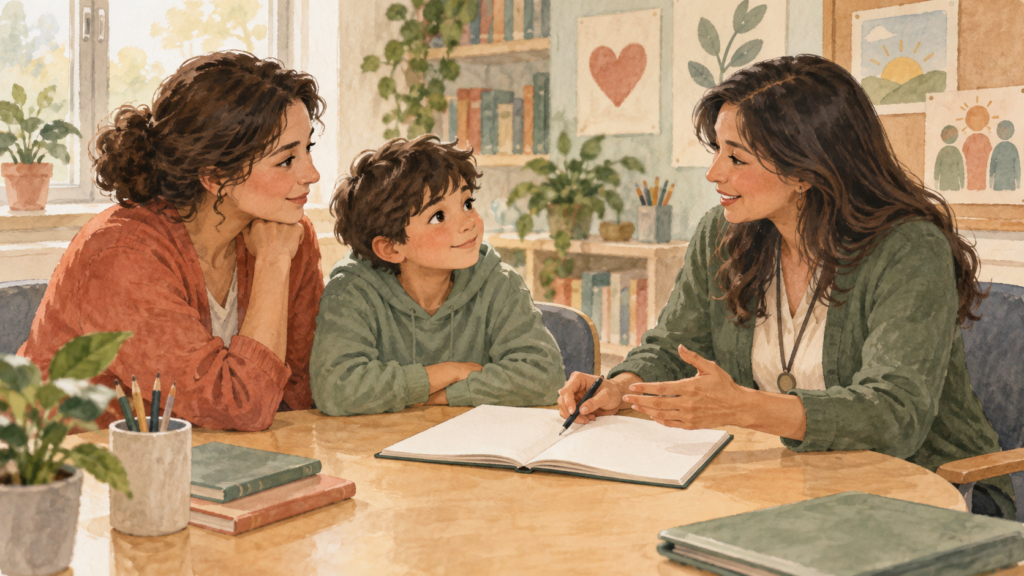
When peer behavior is affecting your child’s safety or ability to learn, the school needs to know.
Start with the classroom teacher, counselor, grade-level lead, or administrator according to the school’s process. Keep the first message factual and calm:
“My child has shared that they have been repeatedly excluded and called names during recess. I would like to understand what the school has observed and make a plan that helps them feel safe.”
Ask practical questions:
- Who will be the trusted adult my child can go to?
- What supervision is available in the places where this happens?
- How will incidents be documented?
- What steps will the school take to prevent retaliation?
- When will we follow up?
- How will my child’s privacy be protected?
A good plan should focus on safety and support, not simply on telling a child to ignore the problem or “be more confident.”
Give your child small, usable tools
Children often need a simple plan, not a long speech.
Depending on their age and the situation, practice a few options:
- moving toward a trusted group or adult;
- using a clear phrase such as “Stop. That is not okay”;
- leaving an unsafe interaction;
- sitting near supportive peers;
- sending a saved message or screenshot to an adult;
- checking in with the designated adult at school.
Role-play can help, but avoid placing the full responsibility on the child. A child should not have to solve repeated harassment alone just because they learned a good comeback.
Make room for connection outside the problem
Repeated exclusion can make children feel that one peer group defines their entire social world.
Help create other places where they can belong: a club, a library program, a team, a faith community, a neighbor, a cousin, an art class, or one carefully planned playdate with a kind peer.
The goal is not to force a child to “make more friends” overnight. It is to remind them, through real experience, that relationships can be safe and mutual.
Cyberbullying needs an adult response too
Online cruelty can follow a child home, which makes it feel especially inescapable.
Keep communication open. Let your child know they will not automatically lose access to every device for showing you something upsetting. Then take practical steps together: save evidence, block or report where appropriate, review privacy settings, and involve the school if classmates are involved.
Encourage children not to forward humiliating content, even when they are not the person who created it. Silence, forwarding, and group chats can all affect how isolated a child feels.
Know when to seek additional support
Reach out to a pediatrician, school counselor, or qualified mental-health professional if your child has ongoing anxiety, significant school avoidance, persistent sleep or eating changes, physical complaints without a clear medical cause, withdrawal from usual activities, or a strong change in mood.
If your child talks about hurting themselves or someone else, has been seriously injured or threatened, or may be in immediate danger, seek emergency help immediately.
Your child should not have to carry this alone
There is no perfect script for a situation like this. The most important message is often the simplest:
“I believe you. This is not your fault. We are going to work on this together.”
That message does not solve everything in one day. But it gives a child something essential: the knowledge that home is still a safe place to return to, and that adults will take action when something is not okay.