
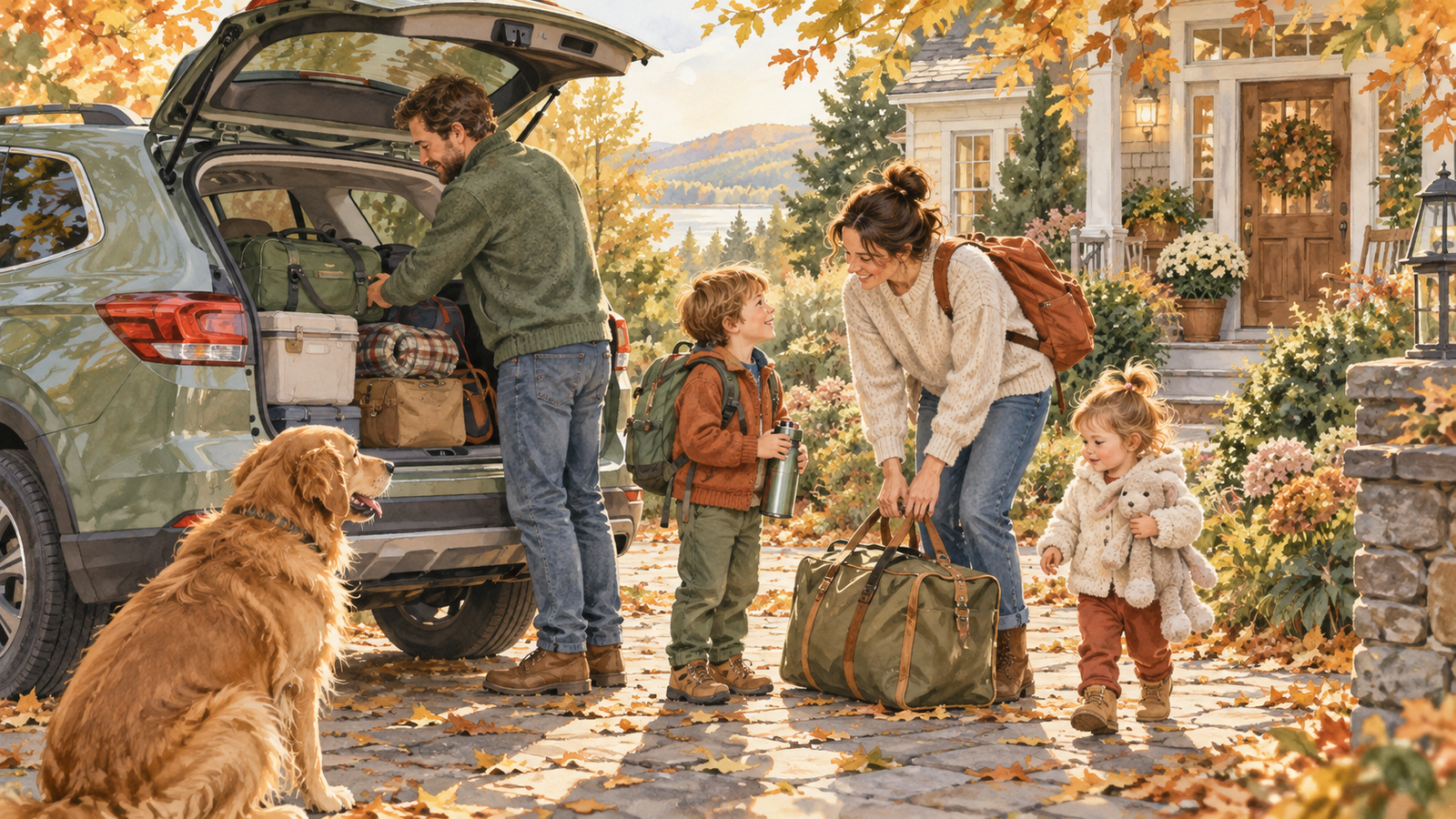
The Family Road Trip: How to Plan a Realistic Trip With Kids
A family road trip can sound simple in theory: pack the car, choose a destination, and enjoy the open road. In real life, traveling with children also means snacks, bathroom stops, changing moods, unexpected delays, and plans that may need to change.
That does not mean a road trip has to be stressful. It means the best plan is usually not the one that fits the most miles or attractions into each day. It is the one that leaves enough room for children—and adults—to travel at a human pace.
Here is a practical way to plan a family road trip that feels manageable, flexible, and enjoyable for the people actually taking it.
Start with the trip your family can manage
Before choosing a route, think about what your family needs from this trip. Is the main goal to visit relatives, spend time outdoors, see a new place, or simply get away together?
That answer can help you decide how far to drive and how much to schedule. A toddler who does best with a familiar nap routine may need a different itinerary than a school-age child who enjoys long stretches in the car. A child who gets carsick, anxious, or overwhelmed may need more flexibility than a standard online itinerary allows.
There is no single ideal number of miles for every family. Consider your child’s age and temperament, the number of adults who can share the driving, the time of year, and how much rest everyone will need after arrival.
Plan fewer driving hours than the map suggests
A map estimates travel time under certain conditions; it does not include every stop your family may need. Meals, bathrooms, traffic, construction, weather, and breaks can all make the day longer.
Instead of planning around the fastest possible drive, build a comfortable margin into the schedule. Identify possible stopping places along the route, and decide in advance which parts of the day are flexible. The American Academy of Pediatrics suggests reviewing rest stops before a trip so children know that breaks are part of the plan. HealthyChildren.org: Stress-Free School Breaks
For a long drive, it may be worth splitting the trip with an overnight stay. One extra hotel night can feel expensive, but it may be a better fit than arriving exhausted and trying to begin a full vacation immediately.
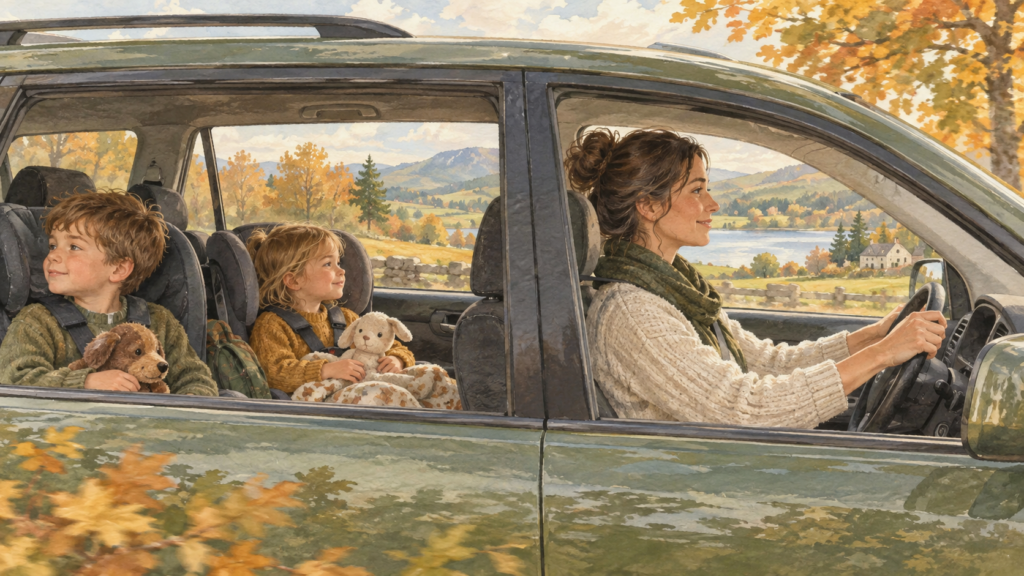
Choose a few anchors, not a packed itinerary
A useful daily plan might have one main activity, one meal or stop you are looking forward to, and open time around them. The open time is not wasted time. It gives children a chance to rest, play, or recover when something takes longer than expected.
For example, if the day includes a morning hike, you might keep the afternoon unplanned rather than adding a museum, a long restaurant meal, and another drive across town. If your destination is a family gathering, the visit itself may be the main event.
It can also help to choose one “nice if it happens” activity instead of treating every idea as a must-do. That way, skipping something because a child is tired does not make the day feel like a failure.
Match the pace to your child’s stage
Children experience travel differently at different ages, but age is only one part of the picture. Personality, sleep needs, sensory preferences, health, and experience with travel matter too.
- Babies: Plan around feeding, diaper changes, and opportunities to get out of the car. For young infants, the AAP advises taking breaks during daytime travel—often every two to three hours—and getting the baby out of the car seat. Talk with your pediatrician about long trips, especially if your baby was born prematurely or has a medical condition. Never breastfeed while the vehicle is moving. HealthyChildren.org: Is it safe for my baby to travel in a car seat for hours at a time?
- Toddlers and preschoolers: Keep expectations modest. Shorter stretches, predictable stops, familiar comfort items, and time to move around can make the day more manageable. A simple explanation of what will happen next can help children prepare.
- School-age children: Invite them into the planning. They can help choose a stop, track the route, select a playlist, or pack a small activity bag. Having a role can make the journey feel like part of the adventure.
- Tweens and teens: Give them some input while keeping the overall plan clear. They may appreciate knowing when they can use a device, what the day’s driving will look like, and which parts of the itinerary are flexible.
These are starting points, not rules. A child’s needs on one trip may be different from their needs on another.
Make the car a safer place before you leave
Before the trip, check that each child is using a car seat, booster seat, or seat belt appropriate for their size and within the limits of the product. Follow both the car-seat manufacturer’s instructions and the vehicle owner’s manual. The CDC recommends that children ride properly buckled in the back seat; children are generally safest there through age 12. CDC: Preventing Child Passenger Injury
If you are unsure whether a seat is installed correctly, look for a child passenger safety technician or an inspection option in your area. Do this before departure, rather than trying to solve a seat-fit question in a parking lot on travel day.
Keep loose items secured so they do not become distractions or hazards. And never leave a child alone in a parked vehicle—even briefly. Cars can heat up quickly, including on days that do not feel extremely hot. CDC: Infants and Children and Heat
Pack for access, not just for arrival
The most useful items are often the ones you can reach without unpacking the trunk. Keep everyday essentials together: water, snacks, wipes, a change of clothes, needed medications, and a small bag for trash or wet items. The exact list depends on your child and route.
For entertainment, think in layers. A few familiar books, simple games, music, downloaded stories, or a favorite comfort item may help. Screens can be part of a family’s travel plan, but it is worth checking that devices are charged and content is available offline before losing signal. Try to set expectations about screen time before the drive rather than negotiating them mile by mile.
The driver should not be responsible for reaching into the back seat or managing activities while driving. If there is another adult in the car, that person can help; if not, choose activities children can use safely on their own and pull over when a child needs something that cannot wait.
Expect moods to change
A child who was excited to leave may become bored. A child who usually naps may stay awake. Someone may spill a drink or need an unplanned stop. These are not signs that the trip is going badly; they are ordinary parts of traveling with children.
When frustration rises, pause and ask what the immediate need might be: food, a bathroom, movement, quiet, connection, or a change of plan. Sometimes the answer is a longer break. Sometimes it is simply accepting that the next attraction can wait.
Parents need breaks too. If the driver is tired, stop somewhere safe and rest or switch drivers if possible. Reaching the destination sooner is not worth driving when it is no longer safe to do so.
Let the journey count
A road trip does not have to be smooth to become a meaningful family memory. The unexpected diner, the silly conversation, the rest-stop playground, or the decision to skip an activity and relax at the hotel may become the part everyone remembers.
A realistic plan gives your family room to respond to the day you are actually having—not just the one you imagined while looking at a map. Choose a manageable route, secure the right car seats, plan a few helpful stops, and leave space for rest.
The goal is not to make every moment entertaining. It is to make the trip workable enough that your family can enjoy being together along the way.

Frequently Asked Questions
How often should we stop on a family road trip?
There is no single schedule that works for every child and every route. Plan regular opportunities for bathroom breaks, food, and movement, and adjust when your family needs it. For young infants, ask your pediatrician about a long drive; the AAP’s general advice includes taking daytime breaks every two to three hours.
Should we drive through the night so the kids sleep?
That depends on the adults’ ability to drive safely and the children’s needs. Do not trade a rested driver for a quieter car. If nighttime driving would leave the driver tired, consider an overnight stop or a shorter route instead.
How can we make a road trip easier for a toddler?
Keep the plan flexible, explain what will happen next, bring familiar comfort items, and allow time for breaks. A toddler may not enjoy long stretches simply because an adult itinerary says they should.
What should we do if our child gets carsick?
If motion sickness is a recurring concern, discuss it with your child’s healthcare professional before the trip. The AAP has guidance on car sickness, including steps families can consider and when to seek medical advice. HealthyChildren.org: Car Sickness
This article is for general informational purposes and does not replace advice from your child’s healthcare professional, car-seat instructions, or local traffic laws.
Sources and Further Reading
- Centers for Disease Control and Prevention. Preventing Child Passenger Injury
- Centers for Disease Control and Prevention. Infants and Children and Heat
- American Academy of Pediatrics / HealthyChildren.org. Stress-Free School Breaks: How to Plan for a Relaxing Reset
- American Academy of Pediatrics / HealthyChildren.org. Is it safe for my baby to travel in a car seat for hours at a time?
- American Academy of Pediatrics / HealthyChildren.org. Car Sickness