
Learning & Development
Practical ideas to support curiosity, learning, confidence, and development at every stage of childhood.
Explore Learning & Development
Discover ideas that encourage curiosity, build new skills, and make learning a natural part of everyday family life.
Early Learning
Simple ideas that help young children explore language, numbers, shapes, and the world around them.
STEM & Science
Hands-on ideas that encourage children to experiment, investigate, build, and discover how things work.
Reading & Language
Fun ways to encourage reading, vocabulary, communication, storytelling, and a love of books.
Math & Logic
Playful activities that help kids practice numbers, patterns, problem-solving, and logical thinking.
Creativity & Imagination
Ideas that encourage children to create, imagine, express themselves, and think in new ways.
-

When Your Child Asks “Why?” and You Don’t Know the Answer
“Why does the moon follow our car?” “Why do ants walk in a line?” “Why did that leaf turn red?” Some questions arrive while we are making dinner or trying to get everyone into the car. Others come at the end of a long day, when there is not much energy left for an explanation.…
-

Reading Aloud to Kids of Different Ages: Making Room for Both
At bedtime in our home, my six-year-old son Noah and my three-year-old daughter Liz each choose a book. I choose one too. On a good night, that means three stories. On another night, someone falls asleep halfway through, the children would rather move than listen, or we simply run out of time. I still want…
-

Helping a Shy Child Feel Comfortable Without Pressuring Them to Perform
Your child may stay close to you at a birthday party, take a while to answer a new adult, or watch other children play before joining in. When that happens, it can be tempting to step in with “Go say hi!” or “Don’t be shy.” Most parents mean well. They want their child to feel…
-

How to Teach Kids About Money Without Turning Childhood Into a Business Lesson
Money is one of the most practical things children see every day — and one of the subjects families often avoid discussing. They notice when groceries go into a cart, when a toy costs more than expected, when a parent says “not today,” or when a birthday gift comes with a card containing cash. They…
-

A Homework Space Does Not Need to Be Perfect to Help Kids Focus
There is a particular kind of pressure that appears when children start bringing schoolwork home. Suddenly, parents feel they need a dedicated desk, a perfectly organized bedroom, matching stationery, a wall calendar, a printer, and a quiet room with a door that closes. But most families do not live in homes designed around homework. They…
-

What Makes a STEM Activity Worth Doing? Curiosity Over Perfect Experiments
There is a particular kind of pressure attached to children’s STEM activities. It often arrives disguised as inspiration: a bright social-media video of a rainbow foam eruption, a perfectly engineered cardboard marble run, a child in a spotless kitchen announcing a conclusion with the confidence of a television scientist. These projects can be lovely. But…
-

How Kids Learn Math in Everyday Life — Beyond Worksheets
Math is often introduced to children as something that happens at a desk: a worksheet, a timed quiz, a page of problems to finish before moving on. But long before children meet formal equations, they are already making sense of quantity, space, patterns, comparison, and change. They notice that one snack bowl has more crackers…
-

How to Raise a Reader Without Turning Books Into Homework
Many parents want their children to love reading. They buy books, visit the library, create cozy reading corners, ask about school assignments, and encourage quiet time. They do these things because they understand that reading matters. But somewhere along the way, books can start to feel like another task. Children may be asked how many…
-
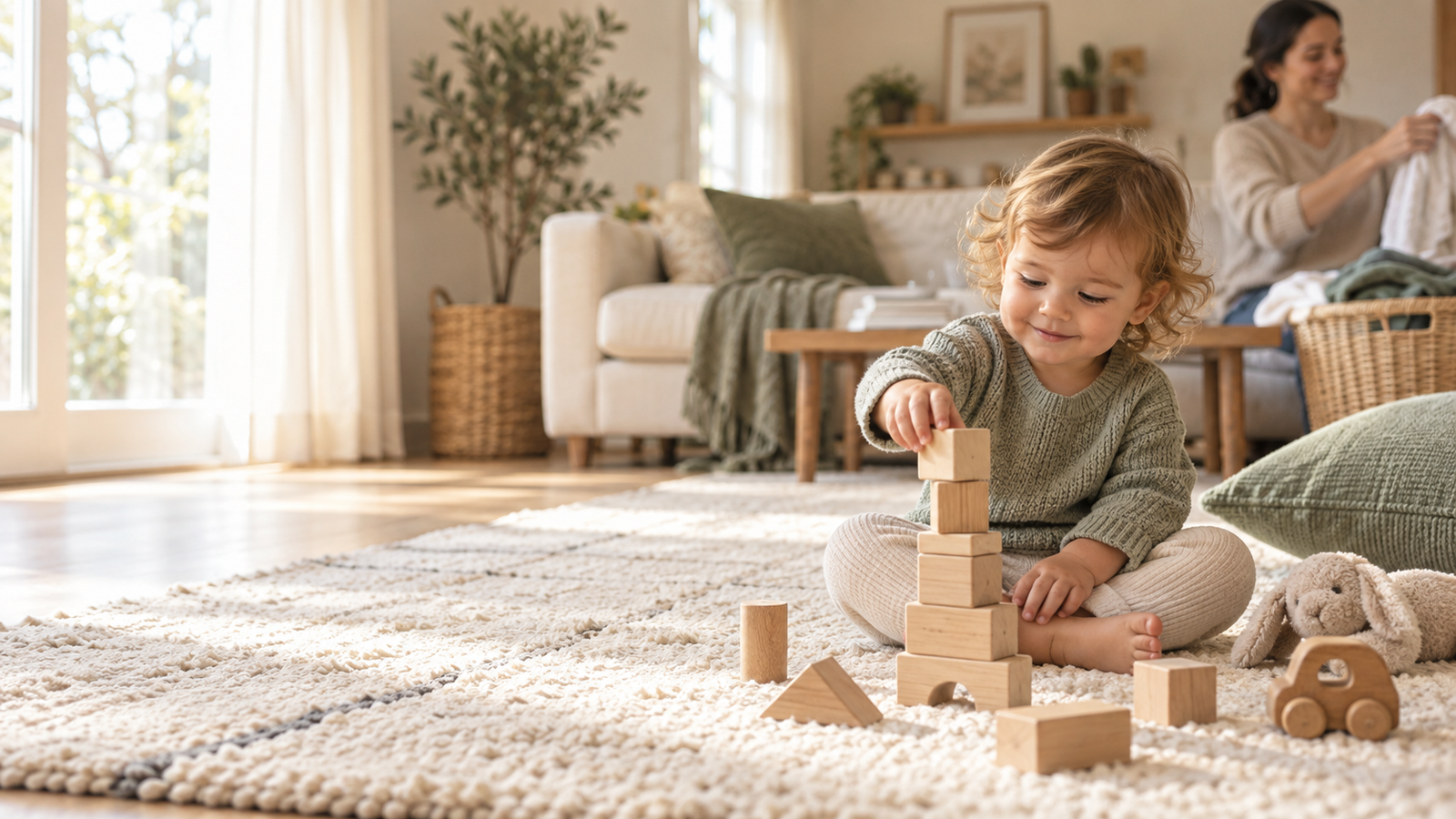
What Toddlers Really Need From Play at Home
Parents are surrounded by ideas about toddler play. There are sensory bins, themed activities, developmental toys, elaborate craft setups, color-coded playrooms, and an endless stream of suggestions for keeping little children “engaged.” It can make everyday parenting feel like a performance. But toddlers do not need a home filled with planned activities to learn, grow,…
-
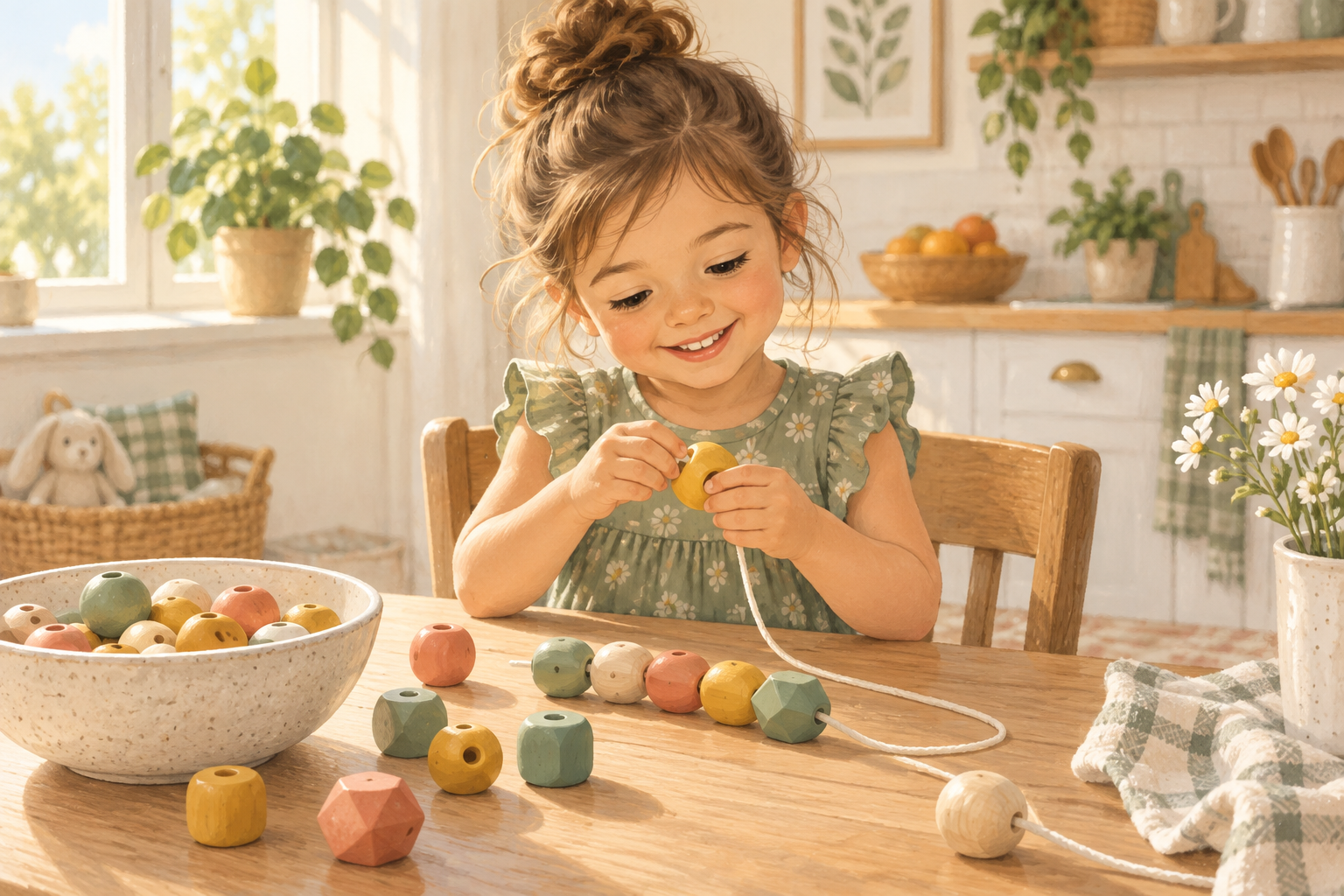
Fine Motor Activities for 4-Year-Olds: 25 Easy Ideas to Try at Home
Four-year-olds are wonderfully busy little people. They want to zip, cut, twist, build, draw, pour, and do grown-up jobs all by themselves. Fine motor activities give those small hands something purposeful to do while making an ordinary afternoon feel more playful. You do not need a craft cupboard full of supplies. Most of these ideas…
More Ways to Learn & Grow
Discover more activities, age-based ideas, thoughtful guides, and inspiration to help children learn through everyday experiences.